

If you’ve noticed the weather getting a bit wilder over the past few years, you’re not alone. Northern Ireland has been feeling the effects of climate change and severe weather events, like floods, are becoming more common. As rainy season approaches, here are our top tips to keep you safe and help you protect your home.
What to do to prepare your home for flooding
Check if the area you live in is prone to flooding
Unfortunately, some homes are more at risk than others due to their location, especially if they are in low-lying areas, if there is a river, lake or stream nearby or if they’re close to the sea. Nearby ditches, drains and sewers can also pose a risk. If you’ve lived in your home for a long time, you’ll most likely be aware of the risks but, if you’re new to the area, you can check your risk level on Flood Maps NI.
Keep an eye on the weather forecast
Make sure to check the Met Office forecast for Northern Ireland regularly for storm and heavy rainfall warnings, especially during the autumn and winter months, so you know when there’s a chance of flooding.
Look for possible flood water entry points and seal up any gaps
Floodwater can enter your home in many ways – it can come in through doors and windows, cable gaps, cracked brickwork and even vents in the wall. It can also rise up from under the ground and through drains and pipes into sinks, toilets and baths and into appliances that use water, like your dishwasher or washing machine. Make sure to check your home regularly for cracks and possible entry points and seal up any gaps you find.
Check your gutters and keep them clear
Clear any dead leaves or debris from your gutters and make sure your down pipes and drains are free from blockages.
Keep a flood kit handy
If your home is at risk of flooding, make sure you’re prepared for it with a flood kit. Include items like sandbags, plastic sheeting, plywood, bricks and blocks of wood.
Check your insurance and make sure your home is insured for flood damage
If you are an AXA Northern Ireland home insurance customer, you’ll be glad to know that flood damage is included unless it is explicitly excluded from the policy by way of endorsement. You can find out exactly what’s covered by checking your Policy Schedule.
How to minimise flood damage to your home
Put down sandbags
Place sandbags at openings where water could get in, like at the front door. You should also place sandbags over manhole covers if you have any in your garden or close to your home.
Protect furniture
Take down curtains or tie them up away from the floor. Move larger items, like couches, if possible, or wrap them in plastic sheeting.
Move valuable items
Move valuable or sentimental items upstairs to keep them safe. Protect important documents by wrapping them in plastic pockets and store them up high where they won’t get wet. Keep a list of important numbers handy so you can call for help.
Turn off the electricity
Water and electricity don’t mix, so make sure to turn off the electricity at the mains before water enters your home. Using caution and wearing protective gear, locate your fuse box and switch off the main circuit breaker (often a larger switch) by flipping it to the off position. This should cut off the power to the entire house.
Never touch a switch if you’re wet or if you’re standing in water.
Disconnect appliances
Disconnect electrical appliances, like cookers, washing machines and dishwashers.
Avoid floodwater
Wear waterproof boots and clothing and try to avoid floodwater as much as possible. Don’t walk through or touch it, as there is a high risk that it will be contaminated.
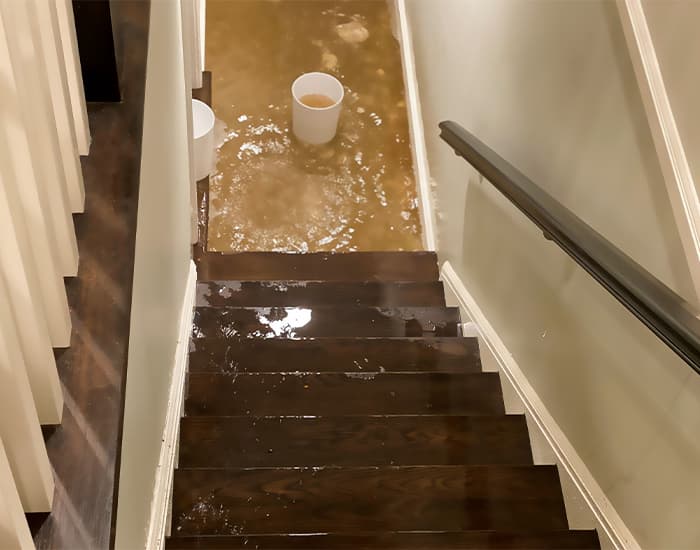
Getting back to normal after a flood
Flood damage can make your home unsafe, so only return to your home once the emergency services have said that it’s safe to do so.
Leave the power off until it’s been checked
Remember, you will need to get your gas and electricity checked by professionals before you can safely switch them back on.
Wear protective clothing
Floodwater can be contaminated with sewage or chemicals, so wear protective waterproof clothing, rubber boots, eye protection and masks.
Look for signs of structural damage
Flood water can damage structures and make them unstable, so make sure you look out for any signs of damage, like bulges or cracks. Look up at the ceilings before you enter, as the extra weight of wet plaster can cause them to collapse.
Pump basements gradually
If you have a flooded basement the water will need to be pumped out bit by bit and not all at once, as this could put uneven pressure on the walls, causing them to crack and damage the foundations.
Throw away anything that could be contaminated
Any items that have absorbed the floodwater need to be thrown away – like carpets, soft furnishings and clothes. You will also need to throw out any damaged food, medication or cosmetics that came into contact with the flood water.
Scrub hard surfaces
Wash down hard surfaces with hot soapy water and use a strong detergent and disinfectant. Always wear gloves to protect your hands when cleaning up after a flood and make sure to wash your hands thoroughly with soap and water afterwards.
Dry the house out carefully to avoid mould
While it might seem like a good idea to turn on the heating to dry the house out, this could actually cause bacteria to spread on the damp surfaces. Instead, open the windows to allow air to circulate. You could also use a dehumidifier to draw moisture out of the air and speed up the process.
Document the damage
Take photos or record videos of the damage caused by the flood and mark the level the flood water rose to on the wall. Make a list of any items you had to throw away.
Contact your insurer
If you are an AXA Northern Ireland home insurance customer and your home has been damaged by a flood, you can contact our claims team on 0345 828 2823. Make sure to call us as soon as possible and we will give you all the support you need and guide you through the process.